-
Birth name
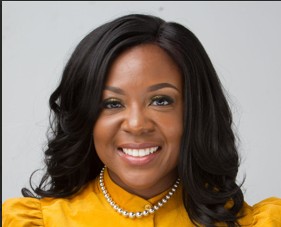
SARITA LANAE KATES
-
Place of Birth
Dublin, Georgia, USA
-
TRIBAL AFFILIATION
Yamasee
-
SURNAME HERITAGE
Origins Available: England Scotland
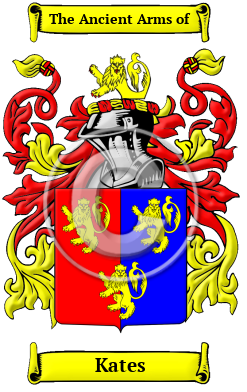
Kates History, Family Crest & Coats of Arms
Etymology of Kates
What does the name Kates mean?
The name Kates came to England with the ancestors of the Kates family in the Norman Conquest of 1066. The Kates family lived in various counties of England and later in Scotland. The name, however, refers to the family’s residence near an important thoroughfare or main road. It derives from the Old English root gate, which means road or thoroughfare.
Early Origins of the Kates family
The surname Kates was first found in various counties of England and Scotland. The earliest record of the family was Ailricius de la Gata who was listed in the Pipe Rolls of Devon in 1169. 1
A few years later, Ralph de Gates was listed in the Curia Regis Rolls of Oxfordshire in 1206 and later, Gilbert atte Gate was listed in the Assize Rolls of Cheshire in 1275. The Subsidy Rolls of Worcestershire in 1275 list Cristina Gate. 1
The Hundredorum Rolls of 1273 list Hugh le Geyt in Oxfordshire and the Yorkshire Poll Tax Rolls of 1379 has numerous entries for the family: Johannes Gayte; Thomas de Gayte; Jonannes atte Gate; Robertus de Gate; and Custancia del Gates. Silvester atte Gates was rector of Brinton, Norfolk in 1354. 2 “Its medieval forms are Ate Gate and atte Gate, which have since the XV. cent. modified to Agate, Gater, and especially to Gates.” 3
Later a branch of the family was found in the parish of Knedlington in the East Riding of Yorkshire. “The old Hall [of Knedlington], a fine specimen of the Elizabethan style, was possessed by Sir John Gate, a distinguished knight in the reign of Henry VIII.” 4
And further to the north in Scotland, all of the entries and later typically showing a migration from England to Scotland. Patrick Gaittis was minister of Polwarth from 1593 to 1604. A seal dated 1605 reads “Master Patrik Gaittie, minister, vndoutit persone of the perochin and paroche kirk of dunce.” In modern English, it translates as ” S’ Patricii Gait. Patrick Gaittis and James Gaittis were ministers of Duns from 1582 to 1611 and John Gaittis was minister of Bunkle from 1614 to 1640.” 5 Black continues “Gate is common element in place names on both sides of the Border.”
Kates Spelling Variations
Multitudes of spelling variations are a hallmark of Anglo Norman names. Most of these names evolved in the 11th and 12th century, in the time after the Normans introduced their own Norman French language into a country where Old and Middle English had no spelling rules and the languages of the court were French and Latin. To make matters worse, medieval scribes spelled words according to sound, so names frequently appeared differently in the various documents in which they were recorded. The name was spelled Gate, Gates and others.
Early Notables of the Kates family
Bernard Gates (1685?-1773), English musician, the second son of Bernard Gates, gentleman, of St. Margaret’s, Westminster, whose will was proved on 21 May 1718. His name appears in the list of children of the Chapel Royal in 1702. 6 Sir John Gates (1504?-1553), was an English statesman, born about 1504, was the eldest son of Sir Geoffrey Gates (d. 1526) by Elizabeth, daughter of William Clopton (Morant, Essex, ii. 146, 457). Henry VIII made him a gentleman of the privy chamber. In January 1535 he was placed on the committee for Essex and Colchester appointed to inquire into tenths of spiritualities